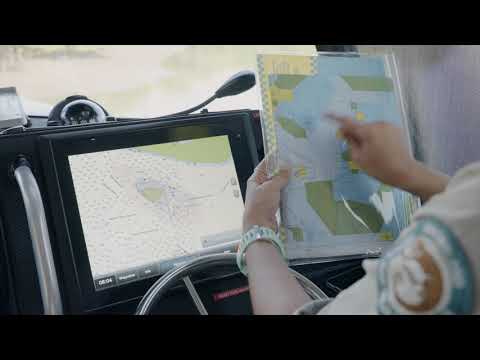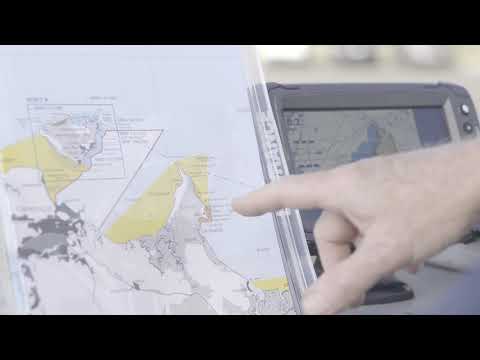

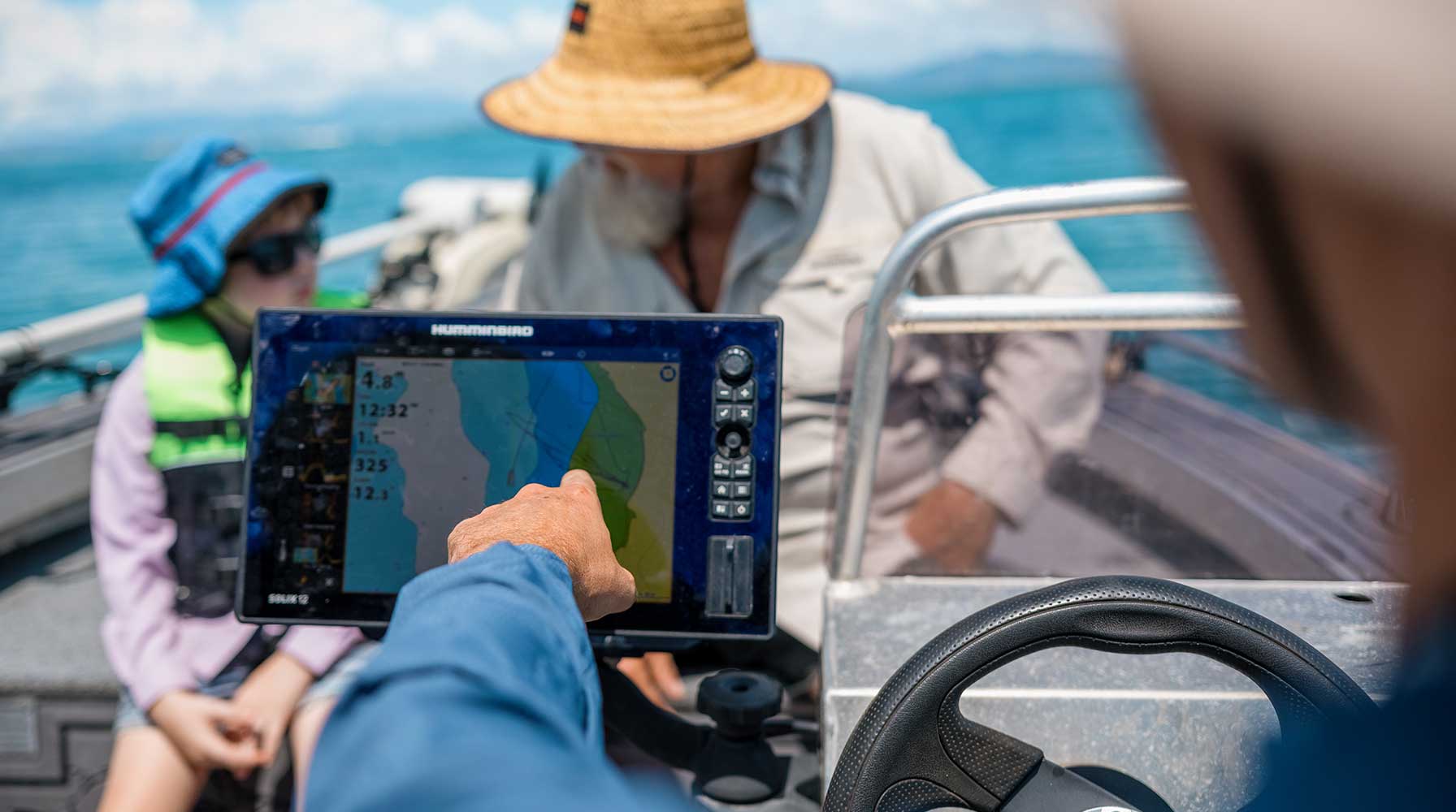
Skipper on boat pointing toward chartplotter

Know your zones

ZONING MAKES FISHING BETTER

The Great Barrier Reef Marine Park is divided into a network of zones, with the majority open to fishing. The areas that are closed to fishing act as nurseries which replenish fish stocks in surrounding waters where you're allowed to wet a line – meaning no-take zones benefit everyone who fishes the Reef. Grab a zoning map from our website.

Commercial fishing operator in the Great Barrier Reef Marine Park  – Australia - © Tourism and Events Queensland

Broaden your bragging rights

SWITCH UP YOUR CATCH TO EASE PRESSURE

Variety is the spice of life, and fishing is no exception. Changing your target species, tactics, and moving location regularly, are smart ways to ease pressure and make for a more interesting day on the water. And if you catch a fish you can't identify, play it safe and release it back in the water. Be sure to download the QLD Fishing 2.0 app to check the rules and help to identify your catch.
 

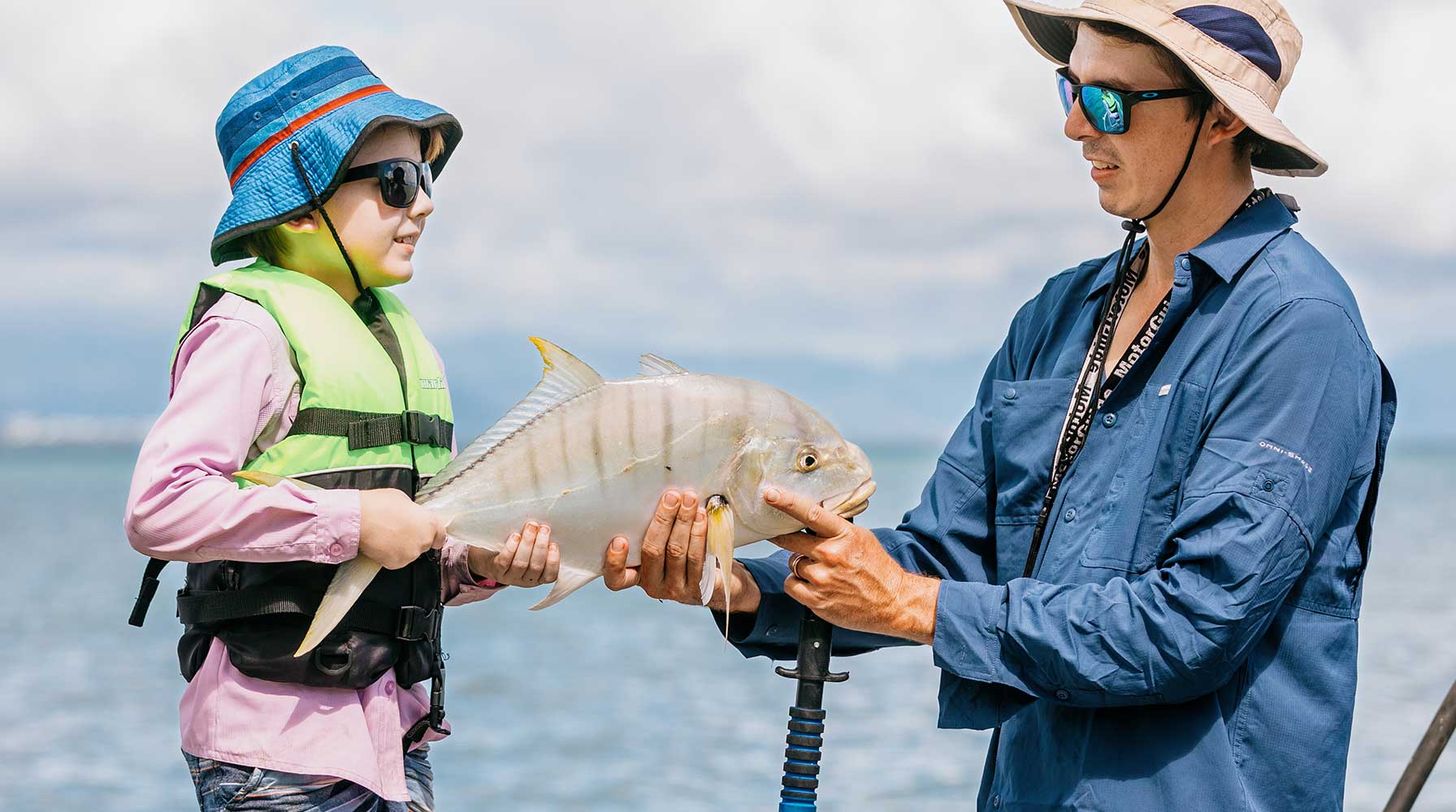
Father and son holding fish on boat

Fish for a feed not for the freezer

LIMIT YOUR CATCH, DON'T CATCH YOUR LIMIT

We all know the best tasting fish is fresh fish. Smart fishos take only what they need for a feed, and not for the deep freeze. By observing closed seasons and limiting your catch, you're helping to keep stocks strong. Another simple way to help is to leave larger fish behind – these are generally the breeders and produce far more eggs than smaller fish.

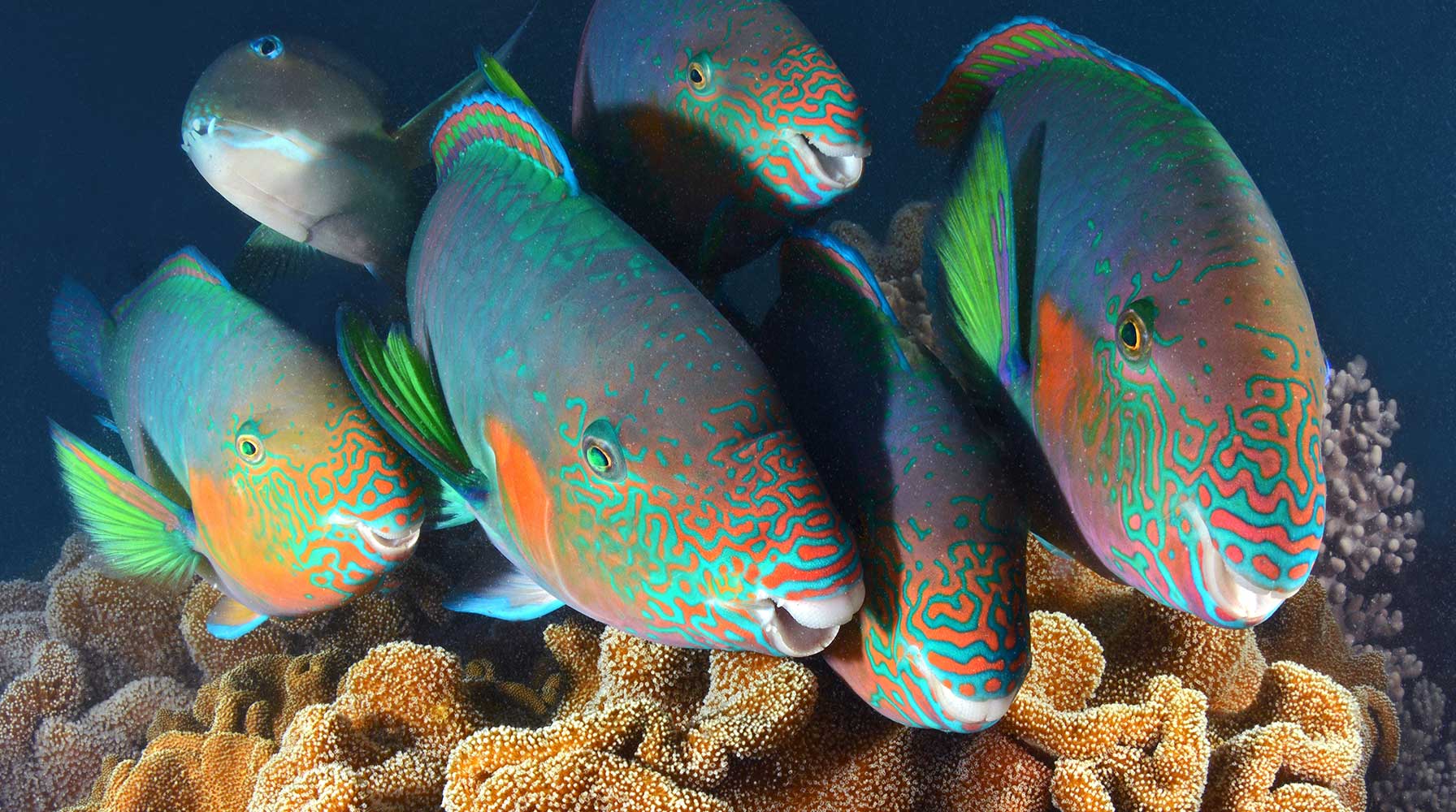
School of parrotfish

Give us break - it helps not to take

HERBIVORES ARE THE LAWNMOWERS OF THE REEF

Plant-eating fishes like unicornfish and parrotfish are critical to reef recovery because their grazing provides space for new corals to grow. With warming waters stressing corals, these underwater lawnmowers are more critical than ever. When spearfishing, leave the herbivores behind to do their job – like most spearos already do. 

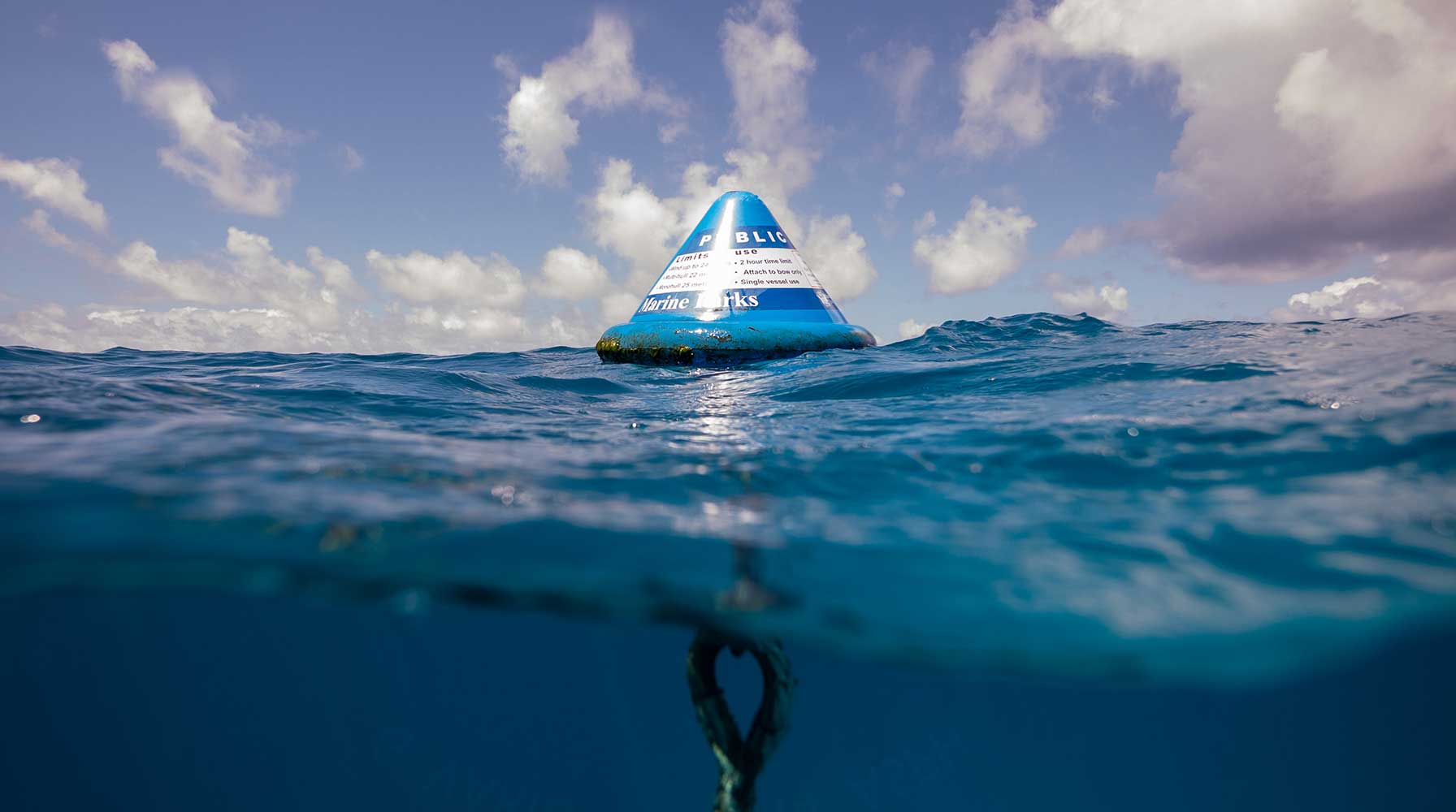
Blue mooring with large chain attached

Drop it where it's soft

ANCHOR SMART ON THE REEF

Corals can take hundreds of years to grow but can be killed or damaged in seconds by a stray anchor. When anchoring is necessary, find a soft spot like sand or mud and use just enough chain as is required to secure your boat safely; and never let your anchor or chain drag on the bottom. Better yet, try drift fishing or invest in a GPS trolling motor, which is a gamechanger for hands-free positioning. Use public moorings where available and do not anchor on the reef-side of no-anchoring areas, which are marked by white, pyramid-shaped buoys – they are there to protect the coral.

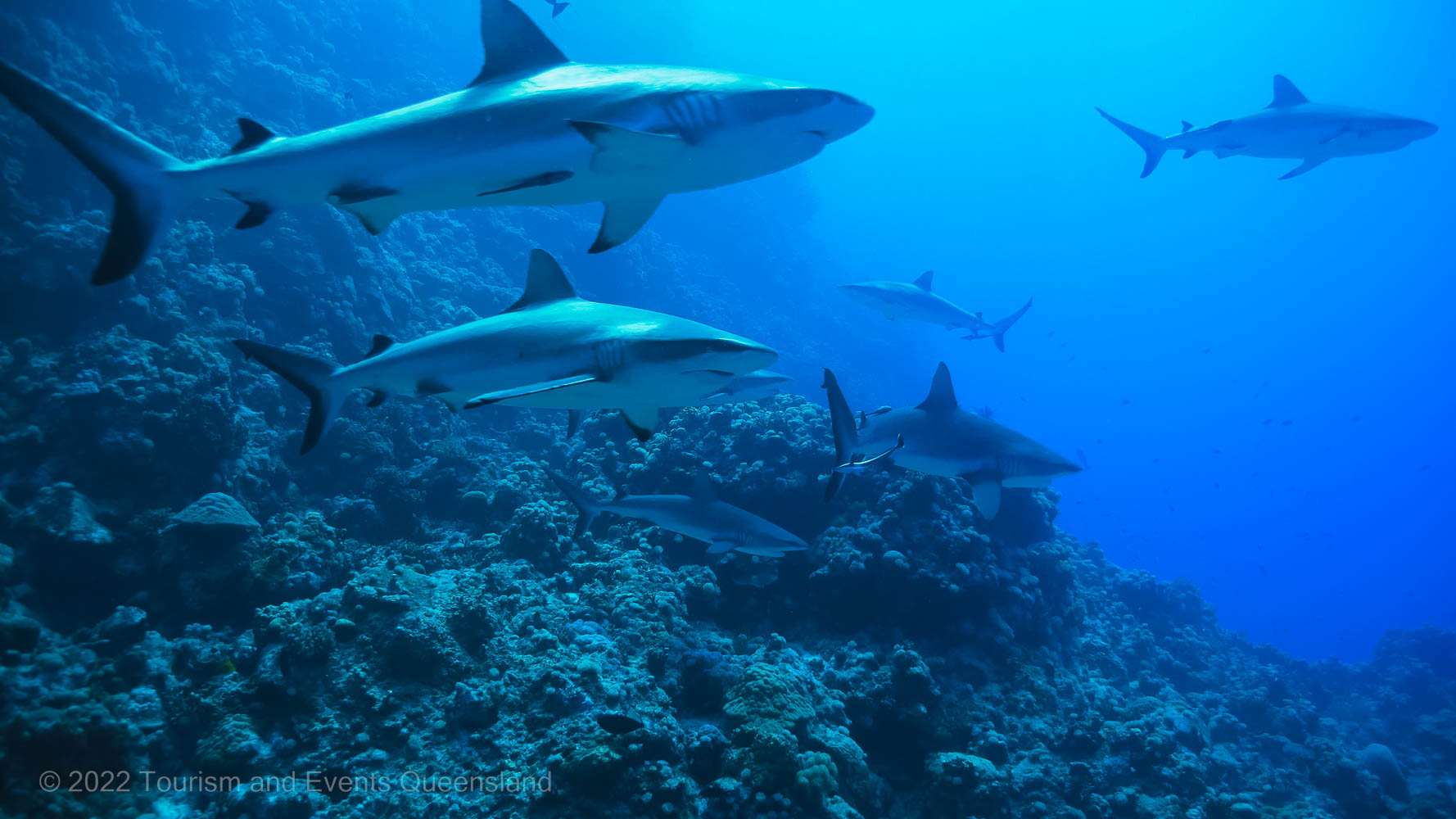
Black tip reef shark - Great Barrier Reef Marine Park  – Australia - © Tourism and Events Queensland

When fins turn up, it's time to head off

SWITCH UP YOUR SPOT WHEN SHARKS ARRIVE

Sharks are opportunistic feeders and can quickly learn that the sound of a boat motor means an easy feed. If sharks start claiming your catch, try switching your target species or move to a new spot a good distance away. Avoid using burley and dumping fish waste overboard, which can also attract sharks. And remember, sharks are apex predators that keep the reef ecosystem balanced. Get more tips about shark depredation and safety from the Department of Primary Industries.

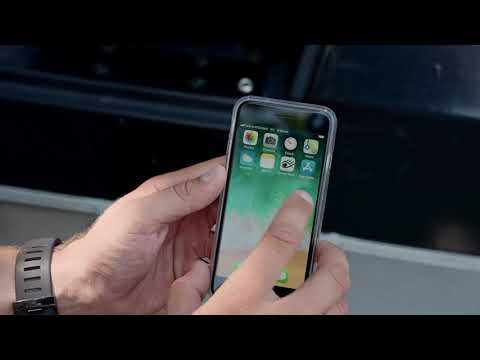
CHART A COURSE TO RESPONSIBLE FISHING

A GPS unit is a great tool for helping to know where you are in the Marine Park, but you need to know how to read it properly and understand how zoning is shown on your unit.

CHART A COURSE TO RESPONSIBLE FISHING

A GPS unit is a great tool for helping to know where you are in the Marine Park, but you need to know how to read it properly and understand how zoning is shown on your unit.

Thumbnail
Thumbnail
Thumbnail
Wuthathi TUMRA region

Cape York to Cape Melville zoning maps 

Known for pristine waters and isolated experiences, this area extends from the northern boundary at the tip of Cape York to Cooktown.

Eye on the Reef training

Cooktown to Hinchinbrook zoning maps

From tropical rivers and mangrove creeks to offshore reefs, this area is a major destination for boaties and fishers, including the waters around Australia's largest island national park, Hinchinbrook Island.

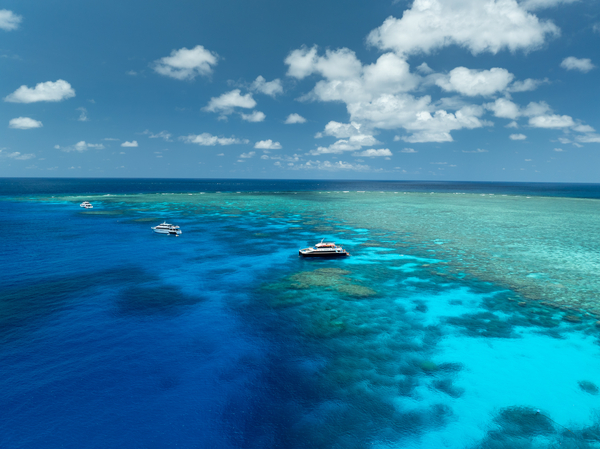
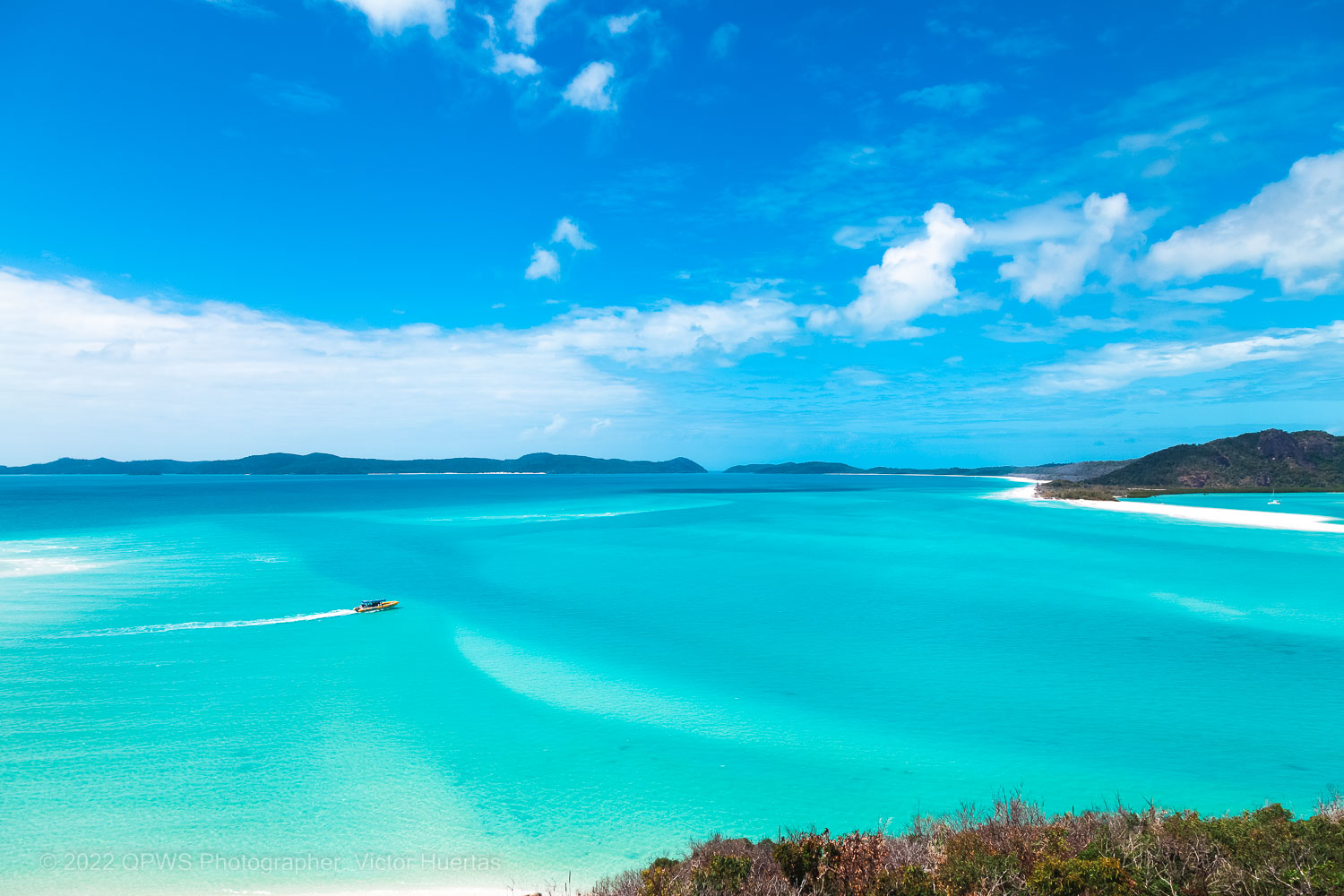
Operator in the Whitsundays – Australia - © QPWS - Photographer: Victor Huertas

Townsville to the Whitsundays zoning maps

Home to some of the Great Barrier Reef’s most iconic destinations, including the stunning Whitsunday Islands and the historic S.S. Yongala dive site.

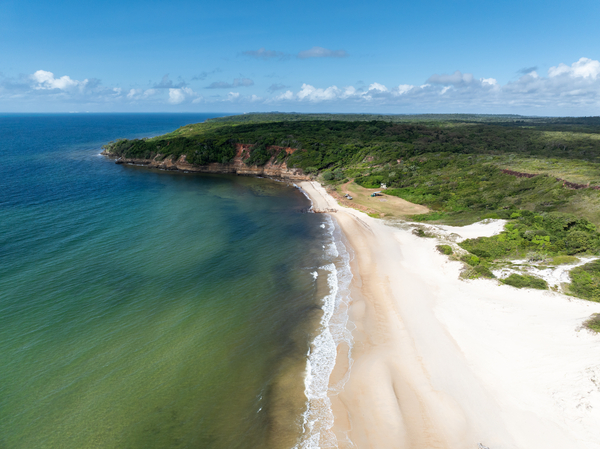
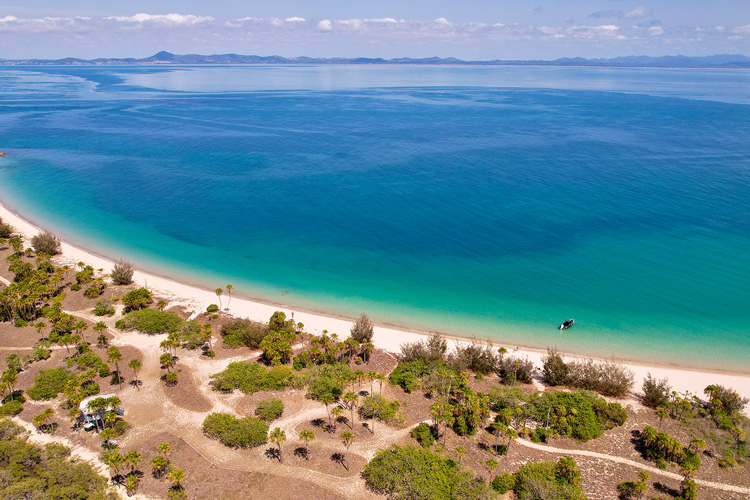
Aerial photo land connecting to Reef

Mackay to Capricorn zoning maps

The most southern region of the Great Barrier Reef includes a number of important habitats and popular destinations, including the Keppels, Shoalwater Bay, Capricorn Bunkers and Lady Elliot Island. The region is known for its fringing coral reefs, dugong, turtles, migrating whales and seabirds.

Our spearfishing factsheets show you where you are allowed to spearfish in certain areas of the Marine Parks: 

Was this page helpful?
Your rating will help us improve the website.
CAPTCHA
This question is for testing whether or not you are a human visitor and to prevent automated spam submissions.